
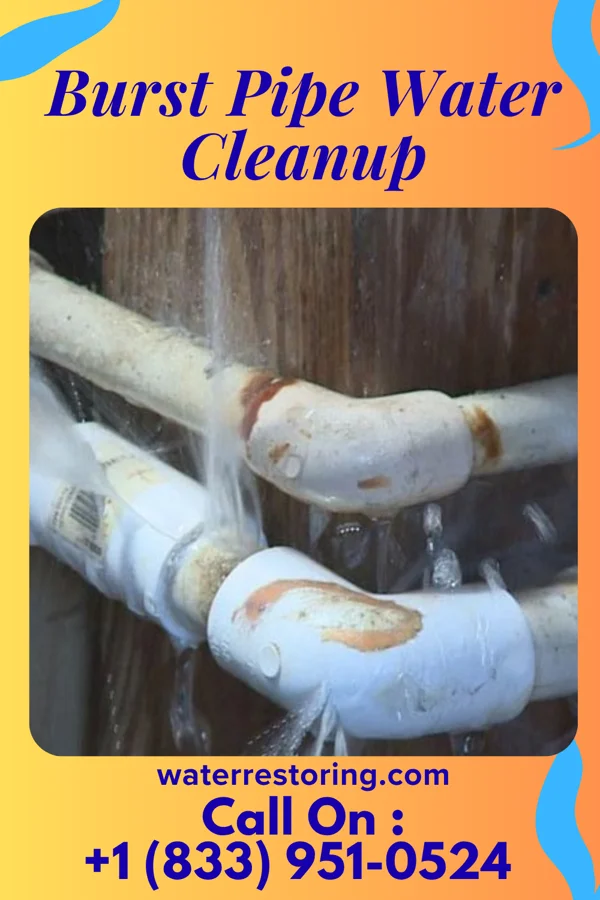
Zephyrhills South Pipe Burst Risk Drivers
Water damage in Zephyrhills South tends to cluster in predictable windows because of the local climate. Zephyrhills South, located in Pasco County, experiences a higher risk of burst pipes due to the aging infrastructure in rural areas and the proximity to agricultural land where water usage can lead to pressure fluctuations. The area's reliance on well water systems also increases the likelihood of pipe corrosion and failure, particularly in older residential properties. A close second is The region's seasonal variations, including heavy rainfall during the wet season, can cause sudden pressure changes in underground pipes. Additionally, the presence of nearby Zephyrhills West and Zephyrhills North adds to the strain on shared water lines, increasing the risk of localized pipe bursts..
Zephyrhills South's warm, humid climate and seasonal rainfall patterns create a challenging environment for water systems. The high humidity levels contribute to pipe corrosion, while the heavy rainfall can cause sudden pressure spikes, making burst pipes a common issue in the area.
Zephyrhills South's warm, humid climate and seasonal rainfall patterns create a challenging environment for water systems. The high humidity levels contribute to pipe corrosion, while the heavy rainfall can cause sudden pressure spikes, making burst pipes a common issue in the area. The dominant local driver is Zephyrhills South, located in Pasco County, experiences a higher risk of burst pipes due to the aging infrastructure in rural areas and the proximity to agricultural land where water usage can lead to pressure fluctuations. The area's reliance on well water systems also increases the likelihood of pipe corrosion and failure, particularly in older residential properties., with The region's seasonal variations, including heavy rainfall during the wet season, can cause sudden pressure changes in underground pipes. Additionally, the presence of nearby Zephyrhills West and Zephyrhills North adds to the strain on shared water lines, increasing the risk of localized pipe bursts. showing up as the next most common cause. Damage builds in stages. Spread. Absorption. Microbial growth. Structural compromise. Every stage you pass through adds to the final bill.